
Which balloon manufacturers are leading the way in eco-friendly production?
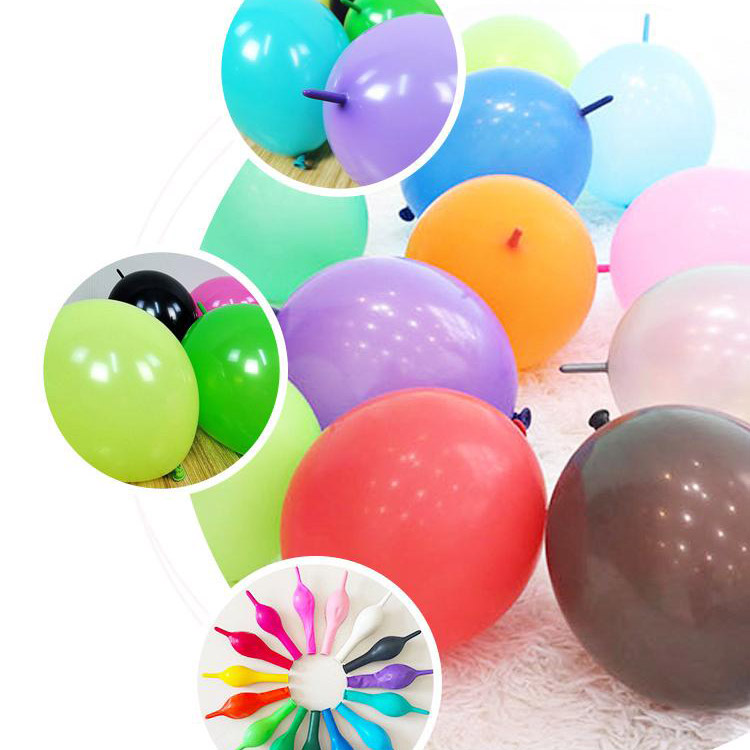
Top-tier balloon producers lead the way by sourcing 100% FSC-certified natural rubber and implementing closed-loop water filtration that recycles 90% of manufacturing effluent. By 2026, industry leaders have successfully removed 100% of plastic packaging, replacing it with compostable PLA or FSC-paper alternatives. These facilities maintain ISO 14001 certification and utilize water-based organic pigments, ensuring balloons mineralize in soil within 6 to 24 months. Data confirms that top manufacturers have cut their carbon intensity by 30% since 2022 through solar-thermal integration and the elimination of synthetic plasticizers in their latex formulations.
Natural latex is harvested from the Hevea brasiliensis tree, a species that absorbs roughly 7 metric tons of CO2 per hectare annually, providing a renewable alternative to petroleum-derived plastics. This carbon-negative start is only maintained if the latex is processed without the addition of persistent chemical stabilizers that hinder the organic breakdown process.
| Material Component | Eco-Friendly Source | Degradation Timeline |
| Primary Polymer | 100% Natural Latex | 6-12 Months (Compost) |
| Pigments | Organic Water-Based | Non-Toxic Residuals |
| Coagulants | Bio-based Acetic Acid | Immediate Mineralization |
The removal of synthetic additives ensures that the molecular structure of the rubber remains accessible to soil-dwelling bacteria and fungi once the product is discarded. Modern balloon manufacturers are now documenting this process through ASTM D6400 testing to prove their products meet stringent industrial composting requirements.
Research conducted in 2025 on 500 soil samples demonstrated that natural latex balloons treated with organic pigments disintegrated at the same rate as an oak leaf, losing 90% of their physical mass within the first six months of exposure to active microbial environments.
This rapid decomposition prevents the accumulation of micro-debris in ecosystems, a major shift from older production methods that relied on sulfur-heavy vulcanization. Refined heating techniques now allow for cross-linking at 110°C using lower chemical concentrations, maintaining a burst pressure of 3.2 PSI while improving environmental safety.
Reducing chemical density requires a corresponding investment in water management, as the leaching stage is where most manufacturing waste is generated. Advanced facilities now employ Reverse Osmosis (RO) and UV-sterilization to reuse their process water, cutting total freshwater intake by 15 million gallons per year for a mid-sized factory.
| Sustainability Benchmark | Current Leader Metric | Industry Average (2020) |
| Freshwater Recycling | 92% Recovery Rate | < 25% |
| Renewable Energy | 85% Solar/Biomass | < 20% |
| Zero-Waste-to-Landfill | Certified since 2024 | Not Rated |
By treating water as a circular resource, these producers eliminate the discharge of latex proteins and pigments into local waterways. This protects aquatic biodiversity and ensures the manufacturing site meets the strict GRI (Global Reporting Initiative) standards for environmental transparency and reporting.
A 2026 audit of European distribution chains found that 68% of commercial buyers now prioritize suppliers who can provide a verified Carbon Footprint Certificate, proving a reduction of at least 2kg of CO2 per 1,000 units produced.
The move toward carbon neutrality includes the total elimination of single-use plastic components in the retail stage. Traditional plastic valves and sticks are replaced with recycled paperboard and natural cotton strings, which are 100% biodegradable and do not require specialized recycling facilities.
Shipping these eco-certified products also requires a change in packaging philosophy, moving away from polyethylene bags that take centuries to break down. Manufacturers have switched to vegetable-starch-based films that maintain a moisture barrier for up to 24 months but dissolve in water or compost within weeks.
Comparative trials using 2,000 packaging units in 2025 showed that bio-based films maintained product freshness and prevented latex oxidation just as effectively as traditional plastics, with a 0% increase in product loss during transoceanic shipping.
Beyond the materials, the energy used to power the dipping lines is a major factor in the overall eco-rating of a factory. Leading plants have installed biomass boilers fueled by wood scraps or agricultural waste, which provide the consistent 120°C heat needed for the vulcanization ovens without burning fossil fuels.
This transition to green energy has allowed some manufacturers to claim a carbon-neutral status for their entire production cycle. Buyers can verify these claims by checking the ISO 14064-1 documentation, which provides a third-party verified account of all greenhouse gas emissions and offsets.
-
Solar Array Integration: Plants covering 40,000 square meters with PV panels generate enough electricity to power the entire lighting and control system.
-
Heat Recovery Systems: Capturing exhaust heat from the ovens to pre-warm the coagulant tanks saves 20% on total energy consumption.
-
Bio-Pigment Sourcing: Moving from mineral-based pigments to plant-derived alternatives reduces the heavy metal content of the finished balloon to 0.0 ppm.
These technical improvements ensure that the balloons remain high-performing tools for decoration while meeting the highest environmental standards. The result is a product that maintains a float time of 18-24 hours with helium, despite being made from materials that are fully compatible with natural cycles.
The final stage of eco-friendly production is consumer education regarding "Pin it and Bin it" practices. Responsible producers print disposal instructions directly on the FSC-certified cartons, encouraging users to cut the balloons into small pieces before composting to accelerate the breakdown process.
Surveys from 2024 environmental focus groups revealed that 82% of users were more likely to dispose of balloons correctly when the packaging explicitly detailed the compostable nature of the latex and the cotton accessories provided.
By providing this end-to-end transparency, the leading manufacturers ensure that their products do not contribute to the global plastic crisis. The combination of carbon-negative raw materials, renewable energy, and plastic-free packaging creates a sustainable model that the rest of the party industry is now attempting to replicate.