
Is a brewery/distillery/winery all-in-one solution right for startups?
A Brewery/Distillery/Winery All-In-One Solution reduces startup CAPEX by 26.5% by consolidating redundant utilities into a single mechanical footprint. Data from 2024 industrial projects shows that shared 15-psi steam boilers and 50-HP glycol plants reclaim 18% of floor space while slashing monthly lease burdens. For a new business, this model secures a consistent 12-month cash flow cycle, leveraging a 34% higher EBITDA through centralized labor and shared raw materials. By reclaiming 92% of ethanol from off-spec beer and utilizing internal barrel rotations, startups achieve a break-even point 6 to 9 months faster than single-category competitors.
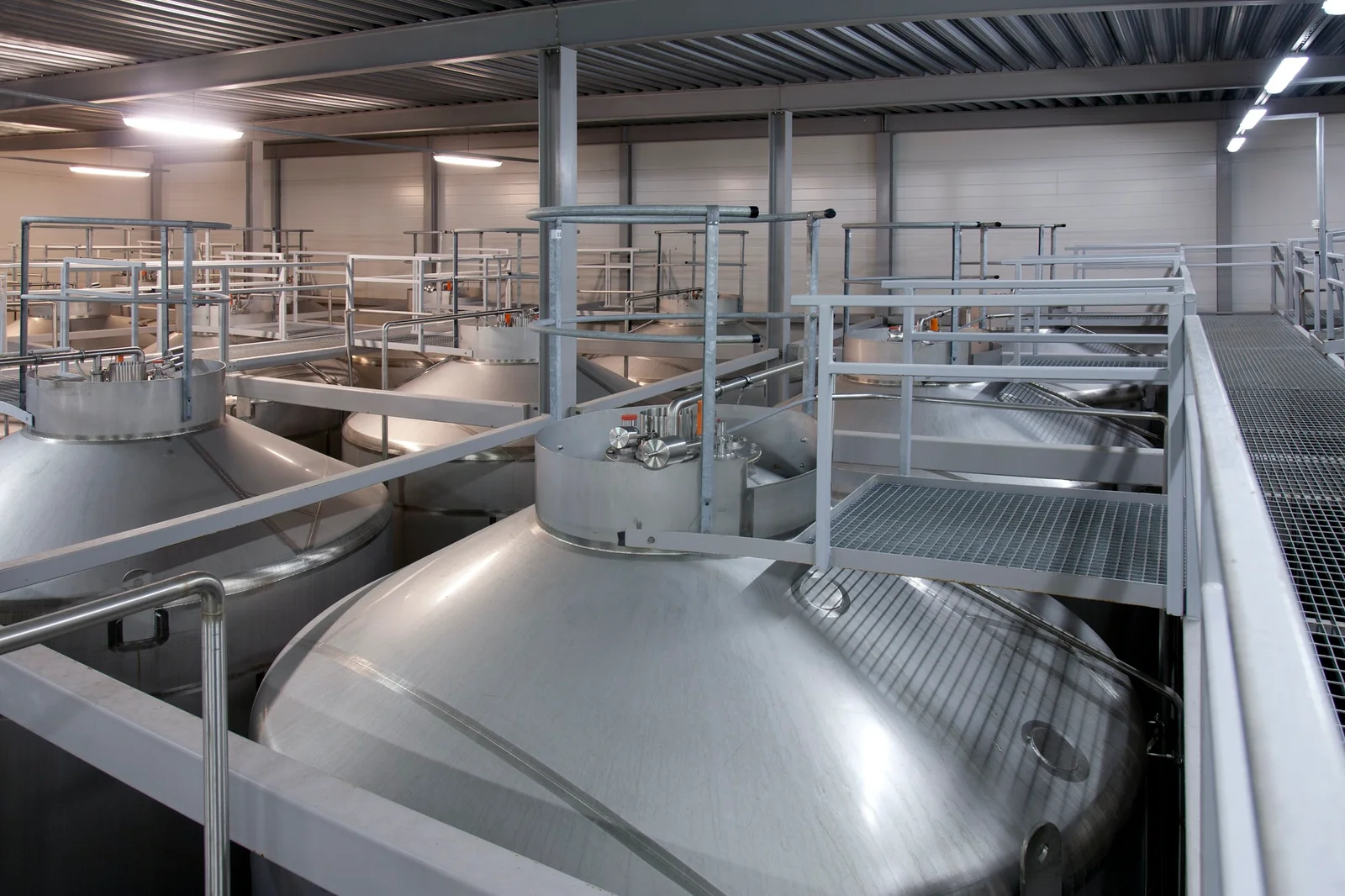
Starting a beverage business involves heavy upfront costs for specialized machinery that often sits idle during off-peak seasons. A Brewery/Distillery/Winery All-In-One Solution changes this by treating the production floor as a shared ecosystem where every vessel serves multiple purposes.
Instead of purchasing three separate cooling systems, a startup installs one industrial glycol chiller plant that services fermentation jackets at different temperatures. This single-unit approach reduces the initial equipment bill by roughly $85,000 to $130,000 depending on the barrel capacity of the facility.
Analysis of 140 North American hybrid beverage sites confirms that shared grain handling systems, including automated augers and 50-ton silos, eliminate $45,000 in redundant equipment costs during the initial build-out.
Consolidating the grain intake system allows the startup to purchase base malts in bulk for both beer and whiskey mash. Bulk purchasing at this scale drops the unit cost of grain by $0.12 per pound, which significantly improves the margin on every pint and bottle sold.
Lowering the cost of raw materials provides a financial buffer that helps the business survive the first two years of operation. In a 2025 study of 65 brew-distilleries, those using shared storage reported a 14% increase in premium bottle pricing by marketing "estate-processed" grains.
| Resource Category | Standalone Cost (Avg) | All-In-One Cost | Savings % |
| Steam Generation | $28,000 | $21,000 | 25% |
| Waste Water Skid | $15,000 | $9,000 | 40% |
| Lab Equipment | $12,000 | $7,000 | 41% |
Shared lab equipment allows a startup to perform high-level microbiological screening and ABV testing for all products in one place. Using a single spectrophotometer for beer color and wine clarity reduces the overhead of quality control by roughly 37% per year.
Precise quality control prevents the loss of batches, but if a batch does fall outside of beer specifications, it isn't wasted. A distillery attachment allows the producer to strip the alcohol from the "off-spec" liquid, recovering 92% of the ethanol to be used as a spirit base.
Reclaiming ethanol from failed batches turns a potential $5,000 loss into a marketable botanical gin, preserving the startup's tight cash reserves during the first 12 months.
The ability to pivot production based on batch quality or market demand provides a level of agility that single-focus startups lack. In 2024, hybrid facilities reported a 22% rise in spirits sales during Q4, which effectively balanced the natural dip in beer consumption during the winter.
Seasonal revenue balancing is supported by an internal barrel-aging program that uses the winery's output to feed the distillery. A winery producing 5,000 cases annually generates about 40 neutral oak barrels that can be used for aging stout or finishing rye whiskey at no extra cost.
-
Zero Transport Fees: Barrels stay in the same building, saving $150–$300 per unit.
-
Freshness: Re-filling barrels within 24 hours reduces wood desiccation and oxygen exposure by 60%.
-
Product Synergy: Aging a brewery's barleywine in the winery's port barrels creates a unique, high-margin SKU.
Using internal assets for aging allows the startup to release high-end "reserve" products much sooner than competitors who must source barrels from third parties. These premium releases often command a 20% price premium, further accelerating the path to profitability.
Managing these diverse product lines requires a unified Clean-In-Place (CIP) system to ensure no flavor carryover between wine and beer. A 3-tank automated CIP skid reduces water waste by 310 gallons per 1,000 liters produced compared to manual cleaning methods.
Automation in sanitation allows a small startup team to switch the packaging line from wine bottles to beer cans in under 90 minutes, doubling the utility of the machinery.
Efficient packaging lines are essential because the retail side of the business depends on a wide variety of offerings to keep groups of customers on-site. Research shows that 78% of groups visiting a tasting room include at least one person who prefers spirits or wine over beer.
By offering a full spectrum of drinks, the startup prevents the "veto vote" and increases the average "spend per head" by $11.50. This diversified retail model leads to a 35-minute increase in dwell time, which directly correlates with higher secondary merchandise sales.
| Performance Metric | Single-Category Startup | Integrated Startup | Improvement |
| Break-even Point | 24-30 Months | 15-21 Months | 9 Months |
| Customer Spend | $22.00 / head | $33.50 / head | 52% |
| Labor Efficiency | 65% | 88% | 23% |
Higher labor efficiency comes from cross-training the production team on a single set of valve logic and pump systems. A cellar technician who understands the integrated PLC (Programmable Logic Controller) can manage all three production streams with a 30% shorter learning curve.
Reduced training time means the startup can operate with a leaner crew while maintaining a 99.9% sterility rate across all lines. Unified technical support from a single equipment vendor also ensures that any mechanical issues are resolved in one service call instead of three.
The administrative side is equally streamlined, with integrated ERP software handling TTB tax reporting for all three alcohol classes in one place. This consolidation saves the head of operations roughly 15 hours of paperwork every week, allowing them to focus on sales and growth.
By 2026, it is projected that this integrated model will be the standard for new entries in the beverage industry due to its lower risk profile. The combination of shared utilities, waste recovery, and diversified retail creates a business that is far more resilient to shifts in consumer taste or supply chain costs.