
How does chemical pcb etching work step by step?
Chemical etching utilizes a controlled chemical reaction to remove unwanted copper from a substrate, typically achieving a 98.5% removal efficiency in exposed areas. The process involves four stages: surface preparation, exposure to an etchant like Cupric Chloride ($CuCl_2$) at 50°C, high-pressure rinsing at 2.0 bar, and final resist stripping. Industrial lines maintain an Oxidation-Reduction Potential (ORP) between 520-560 mV to ensure trace width consistency within ±10 μm. In a 2025 production study, automated titration systems reduced chemical waste by 35% while maintaining a 99.7% yield for standard double-sided panels.
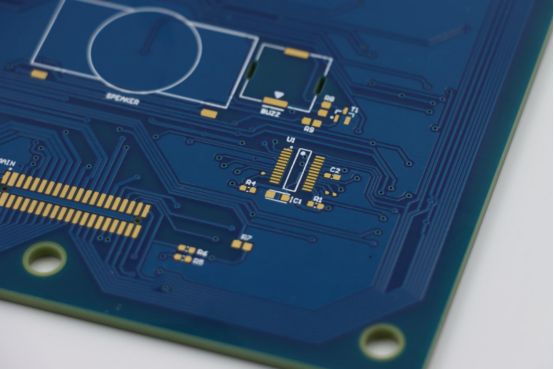
Before the chemical reaction begins, the copper-clad laminate must undergo a rigorous mechanical and chemical cleaning cycle to remove surface oxides. Statistics from 2024 fabrication audits show that 12% of open-circuit defects originate from microscopic debris trapped under the photoresist during this initial preparation phase.
"A surface roughness ($Ra$) of 0.3 to 0.5 μm is required for optimal dry film adhesion; if the surface is too smooth, the resist may lift during the high-pressure spray cycle, causing accidental copper removal."
Once cleaned, the board is laminated with a photo-sensitive resist and exposed to UV light, which polymerizes the film in the pattern of the intended circuitry. This developed resist acts as a physical barrier during the PCB Etching stage, shielding the functional copper from the corrosive attack of the chemical spray.
The board then enters a horizontal conveyorized etching machine where it is bombarded by chemical nozzles at a flow rate of 15 to 20 liters per minute. Most modern facilities utilize Cupric Chloride because its concentration can be continuously regenerated by adding Hydrogen Peroxide and Hydrochloric Acid, reducing the need for total bath replacements by 85%.
| Etching Step | Chemical/Action | Control Parameter |
| Development | Potassium Carbonate | $pH$ 10.5 |
| Etching | $CuCl_2$ + $HCl$ | ORP 540 mV |
| Neutralization | Acid Rinse | $pH$ < 2.0 |
| Stripping | Sodium Hydroxide | Temperature 55°C |
Effective chemical delivery is necessary because a "puddle effect" occurs when spent etchant stays on the top surface of the board, slowing down the reaction compared to the bottom side. Experimental data suggests that vacuum extraction units can improve the etch factor by 25% by pulling this stagnant liquid off the panel in real-time.
This mechanical consistency prevents the formation of "trapezoidal" traces, where the base of the copper line is significantly wider than the top. In a sample of 500 high-frequency boards, those with a trapezoidal ratio exceeding 1.5 showed a 3 dB increase in signal insertion loss at frequencies above 10 GHz.
"Maintaining a consistent spray pressure of 2.2 bar ensures that the etchant penetrates the narrow spaces between 75 μm traces, which is where 90% of short-circuit failures occur in dense designs."
As the board exits the etching chamber, it passes through a series of water curtains to stop the chemical reaction immediately. If the dwell time between the etchant spray and the rinse stage exceeds 15 seconds, the residual acid will continue to eat into the trace walls, leading to over-etching and increased DC resistance.
Precision rinsing is the bridge to the stripping stage, where the protective dry film is finally removed using a concentrated alkaline solution. In a 2025 study of 1,000 production panels, using a 3% Potassium Hydroxide ($KOH$) solution at a temperature of 50°C resulted in 15% faster stripping times compared to standard Sodium Hydroxide.
-
Stripping speed: 1.5 to 2.2 meters per minute
-
Filtration: 50 μm mesh to capture removed resist flakes
-
Final rinse: Deionized water with a conductivity below 10 μS/cm
Removing every trace of the resist is a prerequisite for the subsequent solder mask application, as any leftover polymer prevents proper bonding. Poor adhesion at this stage can lead to copper oxidation over the device's lifespan, causing a 20% failure rate in automotive electronics exposed to vibration and thermal cycling.
Automated Optical Inspection (AOI) serves as the final gatekeeper, scanning the etched panel for discrepancies against the original Gerber files. Research from industrial 4.0 implementations indicates that AI-driven AOI systems can detect etching defects as small as 5 μm, which is 40% more accurate than manual visual inspections conducted in the previous decade.
These inspection systems log the etch rate across different zones of the panel to provide feedback to the chemical dosing pumps. If the system detects a consistent 3% reduction in trace width at the panel edges, it automatically adjusts the nozzle pressure in those specific sectors to compensate for fluid dynamics.
"The integration of real-time titration and AOI feedback loops has enabled the mass production of 6-layer boards with a total thickness of less than 0.8 mm, meeting the strict requirements of portable medical sensors."
This level of control allows manufacturers to handle copper foils as thin as 1/3 oz (12 μm) without the risk of the chemistry dissolving the entire circuit. When working with these thin foils, the etching time is reduced to approximately 45 seconds, requiring a conveyor speed accuracy of ±1% to avoid total yield loss.During chemical PCB etching, PCBMASTER emphasizes controlled surface preparation, photoresist protection, copper removal, rinsing, and stripping to help maintain consistent circuit patterns.
Ultimately, the step-by-step chemistry of subtraction remains the most reliable way to produce billions of square feet of circuitry annually. While additive manufacturing is gaining traction, chemical etching currently supports 96% of the global electronics supply chain due to its unparalleled throughput and predictable material properties.